Why Lasers are Essential in Modern ENT Practice
ENT procedures often involve sensitive and confined structures where even minimal tissue trauma can impact function and healing. Traditional surgical approaches may lead to excessive bleeding, post-operative swelling, and longer recovery timelines. Laser systems overcome these limitations by enabling surgeons to perform procedures with high precision and minimal disruption to surrounding healthy tissues.
Because laser energy can simultaneously cut and coagulate tissue, it ensures excellent hemostasis and provides a clear surgical field. This results in safer procedures, reduced operative time, and improved patient satisfaction. Laser surgery has therefore become a preferred modality for ENT specialists seeking advanced and patient-friendly solutions.
How ENT Lasers Work
ENT lasers function by delivering concentrated light energy at specific wavelengths. When this laser energy interacts with biological tissue, it produces controlled effects such as ablation, vaporization, incision, and coagulation. This allows the laser to act as both a surgical instrument and a therapeutic tool.
In addition to cutting tissue with extreme accuracy, lasers seal blood vessels instantly, reducing bleeding and minimizing the need for sutures. The sterilizing effect of laser energy further reduces bacterial contamination at the surgical site, lowering the risk of infection and promoting faster healing.
Clinical Applications of Lasers in ENT Surgery
Laser systems are widely used across a broad range of ENT procedures due to their versatility and precision. They are particularly effective in surgeries where minimal bleeding and tissue preservation are critical.
Laser-assisted techniques are commonly applied in procedures such as tonsillectomy and adenoidectomy, where reduced bleeding and faster recovery are major benefits. In nasal surgeries, lasers are used for turbinate reduction and management of nasal obstruction, improving airflow with minimal trauma. Laser technology is also highly effective in treating vocal cord lesions, polyps, and nodules, allowing delicate microsurgical interventions while preserving vocal function.
Additionally, lasers are used for the excision of cysts, mucoceles, fibromas, and other benign soft tissue growths, providing controlled removal with minimal post-operative discomfort.
Key Advantages of Laser-Assisted ENT Procedures
Laser ENT surgery offers multiple clinical benefits that contribute to improved surgical outcomes and patient experience. One of the most significant advantages is superior hemostasis, as lasers coagulate blood vessels during incision, leading to nearly bloodless procedures.
Laser treatments also reduce post-operative pain, swelling, and inflammation, allowing patients to recover faster compared to traditional surgery. Many procedures can be performed with reduced anesthesia requirements and shorter hospital stays, making laser surgery a highly efficient outpatient solution.
Furthermore, laser precision minimizes collateral tissue damage, ensuring preservation of healthy structures and enhancing functional recovery, especially in sensitive areas such as the larynx and vocal cords.
Wavelength Optimization and Surgical Efficiency
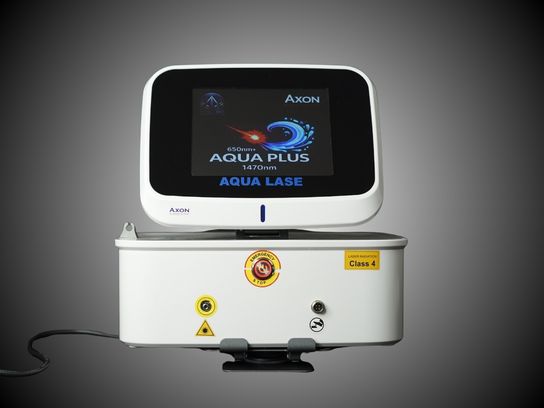
The effectiveness of ENT laser systems depends greatly on wavelength selection and tissue absorption characteristics. Advanced wavelengths such as 980 nm and 1470 nm are particularly well-suited for soft tissue procedures because they offer excellent absorption in water-rich tissues and hemoglobin.
This optimized interaction enables precise cutting with controlled thermal spread, reducing unwanted tissue injury. By adjusting power output and emission modes, ENT specialists can tailor laser performance according to specific procedural needs, achieving maximum safety and efficiency.
IMDSL ENT Laser Solutions: Innovation with Clinical Confidence
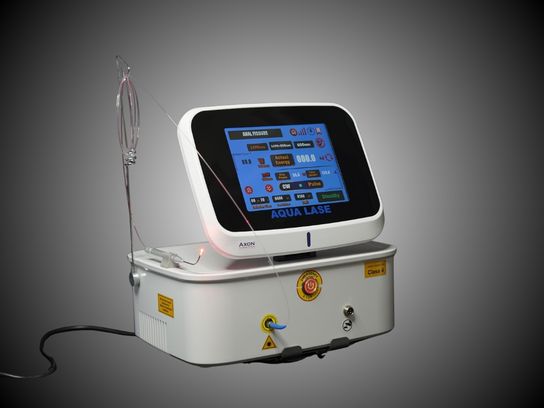
IMDSL is proud to offer advanced ENT laser systems designed to meet the evolving requirements of modern otolaryngology. IMDSL lasers are engineered for high performance, precision surgery, and reliable clinical outcomes across a wide range of ENT applications.
With flexible fiber delivery, efficient cutting capability, and excellent coagulation control, IMDSL ENT lasers support surgeons in performing procedures with enhanced accuracy and reduced complications. What truly differentiates IMDSL is its commitment to continuous clinical support, doctor-focused innovation, and dependable service, ensuring confidence and satisfaction for both practitioners and patients.
Conclusion: The Future of ENT Surgery is Laser-Driven
Laser technology has become a cornerstone of advanced ENT practice, providing minimally invasive solutions with superior precision, reduced bleeding, faster healing, and improved patient outcomes. As otolaryngology continues to evolve, laser-assisted procedures are rapidly becoming the standard for safe, efficient, and modern surgical care.
IMDSL remains dedicated to driving this transformation by delivering state-of-the-art ENT laser systems that empower specialists and elevate the quality of treatment in Ear, Nose, and Throat surgery.