Evolution of Proctology with Laser Technology
The integration of laser systems into proctology represents a significant evolution from conventional excisional surgery to tissue-preserving techniques. Earlier methods relied heavily on mechanical cutting and cauterization, which often resulted in extensive wounds and unpredictable healing. Laser technology allows surgeons to precisely target pathological tissue while minimizing disruption to surrounding healthy structures. This shift toward precision-based surgery has improved procedural outcomes, reduced complication rates, and enhanced the overall quality of care in anorectal treatments.
Principle of Laser Proctology
Laser proctology is based on controlled photothermal interaction between laser energy and biological tissue. Diode lasers emit energy at specific wavelengths that are selectively absorbed by soft tissues, allowing precise coagulation, ablation, or shrinkage of diseased tissue. The laser simultaneously seals blood vessels and nerve endings, which significantly reduces bleeding and postoperative pain. This controlled tissue interaction ensures predictable surgical outcomes while maintaining anatomical integrity in sensitive anorectal regions.
Laser Hemorrhoid Treatment (Laser for Piles)
Hemorrhoids are one of the most common anorectal disorders, traditionally treated through excision-based surgeries that may cause pain and prolonged recovery. Laser hemorrhoid treatment focuses on shrinking hemorrhoidal cushions from within by delivering laser energy directly into the affected tissue. This method reduces blood flow to the hemorrhoids, leading to gradual shrinkage without cutting or removing tissue. Because the anal sphincter and surrounding structures remain intact, patients experience less pain, minimal bleeding, and faster recovery, making laser hemorrhoidoplasty a preferred solution in modern proctology.
Laser Treatment for Fistula-in-Ano
Fistula-in-ano presents a significant surgical challenge due to the risk of sphincter damage and postoperative incontinence. Laser fistula treatment uses a fine laser fiber to deliver energy along the fistulous tract, causing controlled closure and destruction of the tract while preserving sphincter muscles. This sphincter-sparing approach minimizes the risk of functional complications and improves healing outcomes. Laser treatment offers a reliable option for managing both simple and complex fistulas with reduced morbidity compared to conventional fistulotomy.
Laser Management of Chronic Anal Fissures
Chronic anal fissures are often associated with severe pain, spasm, and delayed healing. Laser treatment addresses fissures by precisely ablating fibrotic tissue and improving local blood supply, which promotes natural healing. Unlike conventional surgical methods that may involve sphincterotomy, laser therapy minimizes muscle trauma and reduces the risk of postoperative complications. Patients benefit from reduced pain, quicker symptom relief, and improved long-term outcomes.
Laser Treatment for Pilonidal Sinus
Pilonidal sinus disease commonly affects young adults and is known for recurrence and prolonged wound healing when treated surgically. Laser therapy offers a minimally invasive alternative by targeting and closing sinus tracts using focused laser energy. This approach reduces tissue damage, minimizes bleeding, and significantly shortens recovery time. Laser treatment also lowers recurrence rates and allows patients to resume normal activities much sooner than traditional excision techniques.
Laser-Tissue Interaction and Surgical Precision
The effectiveness of laser proctology depends on precise control of laser parameters such as wavelength, power, and emission time. Properly calibrated laser energy interacts selectively with soft tissue chromophores, enabling accurate ablation with minimal thermal spread. This precision is critical in anorectal surgery, where preservation of surrounding nerves and muscles directly impacts functional outcomes. Laser systems allow surgeons to maintain excellent control throughout the procedure, ensuring safety and consistency.
Advantages of Laser Proctology Over Conventional Surgery
Laser proctology offers significant advantages over traditional surgical approaches by reducing operative trauma and improving recovery. Patients typically experience less postoperative pain, minimal bleeding, and lower risk of infection due to the laser’s coagulative and sterilizing effects. The minimally invasive nature of laser procedures also results in shorter hospital stays and faster return to daily activities. For surgeons, laser technology provides better visualization, improved control, and reproducible outcomes across a wide range of anorectal conditions.
Patient Comfort and Postoperative Recovery
Patient comfort is one of the most notable benefits of laser proctology. Because laser procedures involve minimal tissue disruption, postoperative discomfort is significantly reduced. Many procedures can be performed under local or regional anesthesia, making them suitable for day-care surgery. Faster wound healing and reduced complications contribute to improved patient satisfaction and quality of life following treatment.
IMDSL Laser Solutions for Proctology
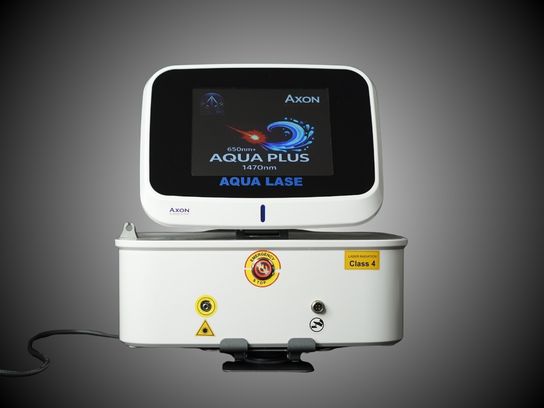
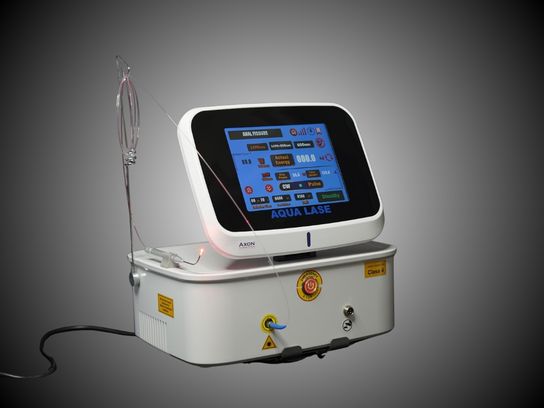
IMDSL offers advanced diode laser systems specifically engineered for proctology and anorectal surgery. These systems are designed to deliver consistent, controlled energy output optimized for soft tissue applications. IMDSL lasers support precision, safety, and ease of use, enabling surgeons to perform complex anorectal procedures with confidence. Beyond technology, IMDSL provides strong clinical support, training, and service reliability, ensuring seamless integration of laser solutions into proctology practice.
Conclusion: Redefining Proctological Care with Laser Technology
Laser technology has redefined the standards of care in proctology by offering minimally invasive, precise, and patient-centered treatment options. From hemorrhoids and fistulas to fissures and pilonidal disease, laser-assisted procedures deliver superior clinical outcomes with reduced pain and faster recovery. IMDSL continues to advance this field by providing innovative laser systems that empower surgeons and improve patient experiences. As proctology evolves toward safer and more efficient solutions, laser technology stands at the forefront of modern anorectal care.