Understanding Laser Surgical Applications in Colorectal Care
Colorectal disorders often require meticulous surgical intervention due to the sensitive nature of bowel tissues and their proximity to critical structures. Laser systems provide surgeons with highly focused energy that can cut, coagulate, ablate or vaporize tissue with minimal bleeding and reduced collateral damage. Unlike conventional instruments, lasers enable precise removal of polyps, treatment of localized tumors, and management of strictures or adhesions while preserving normal anatomy. The ability to deliver energy with precision makes laser surgery an important asset in colorectal procedures where surgical clarity and tissue preservation are paramount.
Common Colorectal Conditions Treated with Laser Technology
Laser-assisted colorectal surgery is applied across a range of challenging conditions. For instance, benign polyps and early neoplastic lesions can be removed accurately with laser ablation, which reduces the risk of scarring and maintains bowel integrity. In cases of strictures — abnormal narrowing of the colon or rectum — laser energy can carefully release scar tissue, improving bowel function. Laser systems are also used in targeted tumor resection for select early-stage cancers, aiding oncologic control while preserving organ function. Moreover, conditions such as diverticular disease complications, bleeding lesions, and postoperative adhesions can be managed with improved surgical precision and reduced postoperative complications.
How Laser Technology Works in Colorectal Surgery
Laser surgery utilizes concentrated light energy at specific wavelengths that interact with biological tissues in a controlled manner. During colorectal procedures, laser fibers are guided to the target tissue, where the energy is absorbed by water and chromophores within cells. This interaction produces precise cutting or vaporization while simultaneously sealing small blood vessels. This dual effect reduces intraoperative bleeding and provides a clearer operative field for the surgeon. Additionally, laser energy minimizes thermal spread to adjacent healthy tissue, preserving anatomical integrity and reducing inflammation — all of which support faster postoperative healing.
Advantages of Laser-Assisted Colorectal Procedures
Laser-assisted colorectal surgery offers several clinical benefits over traditional techniques. The precise nature of laser energy allows for reduced surgical trauma, lower risk of infection, and minimal bleeding — factors that contribute to a smoother postoperative course. Patients often experience reduced pain, faster return of bowel function, and shorter hospital stays. Unlike conventional instruments, lasers help preserve normal tissue architecture, which is especially important in colorectal surgery where maintaining bowel continuity and function is critical. Furthermore, the ability to perform delicate resections with enhanced visibility supports accurate oncologic margins when treating early-stage tumors.
Patient Experience and Recovery
One of the most meaningful advantages of laser colorectal surgery is its impact on patient recovery and comfort. Because laser procedures are minimally invasive and cause less tissue disruption, patients typically experience less postoperative pain and a reduced need for analgesics. The precise energy delivery also limits surgical stress on the body, enabling faster mobilization and bowel function return. Shorter recovery time means patients can resume daily activities sooner, with minimal scarring and fewer complications. This improved patient experience enhances satisfaction and overall quality of care.
IMDSL Laser Solutions for Colorectal Surgical Care
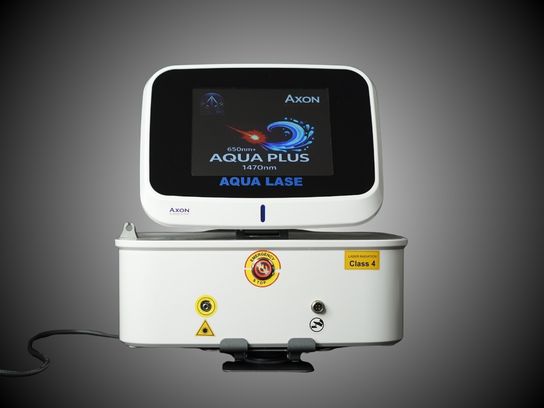
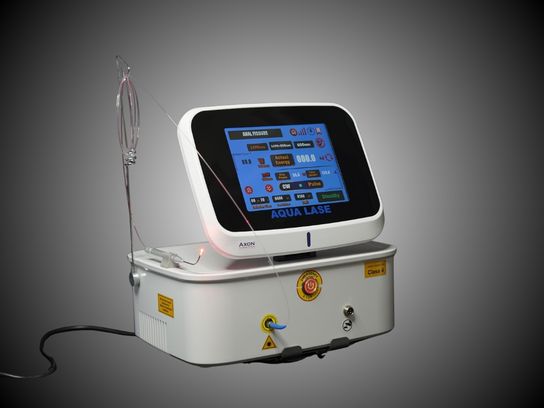
IMDSL offers advanced laser systems engineered to meet the unique needs of colorectal surgical applications. These laser platforms deliver controlled energy output with optimized wavelengths suited for soft tissue interaction, controlled coagulation, and precise ablation. Designed with surgeon usability in mind, IMDSL lasers provide reliable performance, easy handling, and consistent results. By integrating laser technology into colorectal practice, healthcare professionals can elevate surgical precision, reduce procedure-related risk, and improve recovery outcomes. IMDSL stands committed to supporting colorectal specialists with cutting-edge tools and clinical support throughout the therapeutic journey.
Conclusion: The Future of Colorectal Surgery is Laser-Driven
Laser technology is shaping the future of colorectal surgery by offering a powerful alternative that combines surgical precision with patient comfort and faster recovery. As minimally invasive techniques continue to advance, laser-assisted procedures are becoming an essential component of modern colorectal care, offering clinicians enhanced control, reduced complications, and improved clinical outcomes. IMDSL remains dedicated to delivering innovative laser solutions that empower surgeons and support patients in their path to recovery with confidence and comfort.