Understanding Periodontal Disease — From Early Inflammation to Advanced Tissue Breakdown
Periodontal disease typically begins as gingivitis, characterized by gum redness, swelling, and bleeding caused by bacterial biofilm accumulation. If left unchecked, this inflammation can transition into periodontitis, a more destructive condition marked by deep periodontal pockets, attachment loss, and alveolar bone resorption. At advanced stages, conventional therapy alone may struggle to fully resolve deep-seated pathogens and damaged tissues. Here, lasers offer an effective adjunctive tool — combining microbial reduction, targeted tissue removal, and biostimulatory effects in a single modality. By directly addressing both soft tissue inflammation and bacterial reservoirs with highly focused energy, lasers support deeper, more thorough periodontal care.
Laser-Assisted Management of Gingivitis — Precision That Promotes Healing
In the earliest stages of gum disease, laser therapy enhances traditional plaque control by precisely targeting pathogenic bacteria and inflammatory tissue within gingival sulci. Laser energy can disrupt biofilms, reduce bacterial load, and remove diseased epithelium without extensive mechanical trauma. This precision limits patient discomfort, minimizes bleeding, and creates a favorable environment for healing. As a result, lasers have become a valuable adjunct for clinicians seeking improved outcomes in gingivitis management — particularly in patients who exhibit bleeding on probing or who may be unable to tolerate extensive mechanical therapy alone.
Deep Periodontitis — Targeted Tissue Removal and Sterilization
When periodontitis progresses beyond superficial inflammation, the challenge becomes accessing and treating deeper periodontal pockets where pathogenic bacteria thrive. Dental lasers excel in this domain by delivering controlled photothermal energy into infected tissues, enabling clinicians to remove diseased epithelium and disinfect pocket linings with exceptional precision. Unlike traditional curettes that may struggle in anatomically complex areas, lasers can reach difficult contours without compromising healthy tissue. Furthermore, laser energy inherently seals microvessels as it works, achieving hemostasis while lowering the risk of postoperative bleeding and infection. These qualities make laser-assisted periodontal therapy a powerful tool for clinicians managing moderate to severe gum disease.
Gum Recession and Soft Tissue Regeneration
Gum recession, a common sequela of chronic periodontal inflammation, exposes delicate root surfaces, heightens sensitivity, and creates aesthetic concerns for patients. Laser therapy supports soft tissue management by enabling periodontal surgeons to remove diseased tissues and promote a favorable healing environment that enhances collagen formation. Some laser wavelengths also stimulate fibroblast activity and microcirculation — biological responses that improve tissue regeneration. This regenerative potential not only restores healthier periodontal architecture but also contributes to long-term stability and patient satisfaction.
Crown Lengthening — Functional and Aesthetic Enhancement
Crown lengthening is performed when additional tooth structure must be exposed for restorative procedures or to improve the aesthetics of a “gummy smile.” Historically, this required extensive incisions and tissue manipulation. With lasers, periodontists can sculpt soft tissue with a high degree of accuracy, contouring gingival architecture while minimizing bleeding and trauma. The result is a precise, controlled procedure that supports both functional access for restorative work and improved aesthetic outcomes with reduced postoperative discomfort.
Frenectomy — Precision in Soft Tissue Rebalancing
A frenulum that is overly tight or improperly positioned can contribute to periodontal challenges, tongue mobility issues, or gaps between teeth. Laser frenectomy provides a minimally invasive method to release restrictive soft tissue, offering excellent control and reduced bleeding. Because laser energy simultaneously cuts and seals tissue, healing is typically faster and less complicated than traditional surgical frenectomy. This makes it an appealing option for both pediatric and adult patients requiring soft tissue correction as part of comprehensive periodontal care.
Managing Peri-implantitis — Protecting Implant Health
Dental implants have become a mainstay of modern restorative dentistry, but they are not immune to inflammatory conditions, particularly peri-implantitis — a destructive lesion of the tissues supporting an implant. Laser therapy supports peri-implant care by reducing the bacterial load around implant surfaces, detoxifying contaminated implant threads, and promoting a healthier local environment for soft tissue integration. The precision and sterilizing effects of laser energy help clinicians preserve implant stability and function, enhancing the longevity of implant restorations.
Soft Tissue Biopsy with Lasers — Accurate and Less Traumatic
In certain periodontal cases, soft tissue biopsy is necessary to diagnose suspicious lesions or rule out pathological changes. Lasers offer a highly precise and minimally invasive option for obtaining biopsy samples. Because laser energy can cut and coagulate simultaneously, the procedure results in minimal bleeding, reduced postoperative discomfort, and quicker healing — making laser-assisted biopsies an efficient and patient-friendly alternative to conventional scalpel techniques.
Clinical and Patient-Centric Benefits of Laser Periodontal Therapy
Laser-assisted periodontal therapy presents a range of advantages that extend beyond clinical efficacy. From the clinician’s perspective, lasers provide enhanced visibility, precise control, and reduced procedure time. From the patient’s perspective, laser treatments are associated with less discomfort, fewer postoperative complications, minimal bleeding, and faster recovery. These factors translate into improved patient acceptance of periodontal therapy — especially in individuals who may otherwise avoid treatment due to fear of traditional surgery.
Conclusion — Redefining Periodontal Outcomes with Laser Precision
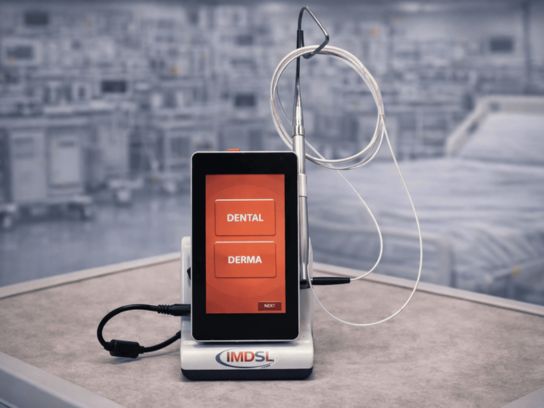
Dental lasers are revolutionizing periodontal care by bringing precision, versatility, and patient comfort to the forefront of treatment protocols. Through targeted tissue interaction, effective bacterial reduction, soft tissue management, and biological stimulation, lasers empower clinicians to achieve superior periodontal stability and long-term results. As laser integration continues to advance, it remains a cornerstone of modern periodontal therapy, enabling dentists and periodontists to deliver higher standards of care with confidence and predictability. With IMDSL’s laser systems — engineered for performance, safety, and clinical versatility — periodontal professionals can harness the full potential of laser technology to improve oral health outcomes and patient experiences.