Why Laser Technology for Surgical Proctology Matters
The anatomy of the anorectal region is complex, with closely interwoven muscle fibers, nerves, and vascular networks. Traditional cutting techniques can unintentionally damage surrounding tissue, leading to functional complications such as incontinence, pain during defecation, and prolonged wound healing. Laser systems emit high-intensity light at specific wavelengths that interact selectively with soft tissue, enabling surgeons to cut, coagulate, vaporize, or shrink target tissue with remarkable accuracy. This precision greatly reduces surgical trauma, provides excellent hemostatic control, and preserves sphincter integrity — all of which contribute to improved surgical outcomes and patient satisfaction. As surgical expectations rise, laser technology is becoming a foundational component of modern proctological care.
Clinical Spectrum of Laser Surgery in Proctology
Laser for surgical proctology is applied across a broad spectrum of anorectal disorders, offering effective treatment options for conditions that were once challenging to manage surgically.
Laser hemorrhoidoplasty is one of the most transformative applications, enabling surgeons to shrink internal hemorrhoidal tissue from within without extensive excision. This approach significantly reduces postoperative pain and bleeding while preserving anal architecture.
In the case of fistula-in-ano, laser ablation offers a sphincter-preserving alternative to conventional fistulotomy, minimizing the risk of incontinence. Laser energy precisely targets the fistulous tract, sealing it and promoting fibrotic closure while maintaining muscle integrity.
For chronic anal fissures — painful linear tears in the anoderm — laser treatment helps remove scarred tissue and encourages improved vascular supply to the affected site, leading to more reliable healing.
Pilonidal sinus disease — a complex and recurrent condition — also responds well to laser treatment, where laser ablation reduces sinus tracts with less trauma and faster recovery compared to open surgical excision.
How Laser Surgery Works in Proctology
Laser surgical systems function by transmitting concentrated light energy through a fine optical fiber directly into pathological tissues. When this energy is absorbed by the target tissue, it produces controlled thermal effects that cause coagulation, vaporization, or ablation depending on the wavelength and power settings used. Because laser energy can simultaneously cut and coagulate tissue, it minimizes intraoperative bleeding and provides a clear surgical field. The selective absorption properties of laser wavelengths ensure that only diseased tissue is affected while reducing damage to adjacent healthy structures. This controlled interaction underlies why laser procedures are associated with reduced postoperative pain, shorter wound healing times, and fewer complications.
Clinical and Patient-Centric Benefits of Laser Proctological Surgery
Laser-assisted surgical proctology offers measurable advantages over traditional surgical techniques. The precision of laser energy means less collateral damage, which translates into reduced postoperative pain and discomfort. Excellent hemostatic control reduces intraoperative blood loss and minimizes the need for sutures. The minimally invasive nature of laser surgery also results in smaller wounds, less inflammation, and a lower risk of infection. Patients often experience faster recovery, shorter hospital stay, and earlier return to normal activities, making laser techniques particularly suitable for day-care surgical settings. Furthermore, preserving sphincter function through laser surgery significantly enhances long-term functional outcomes and patient quality of life.
IMDSL Laser Solutions for Surgical Proctology
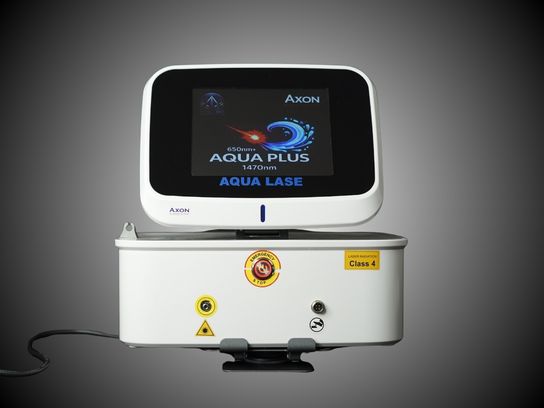
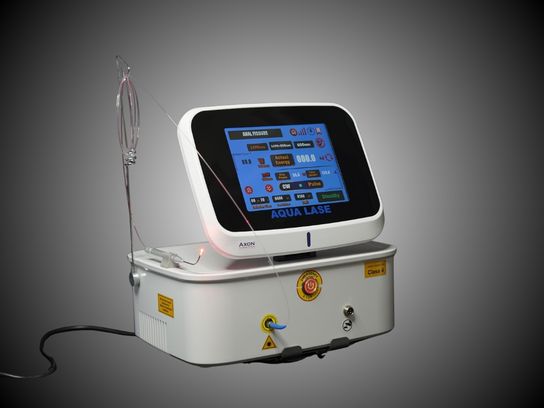
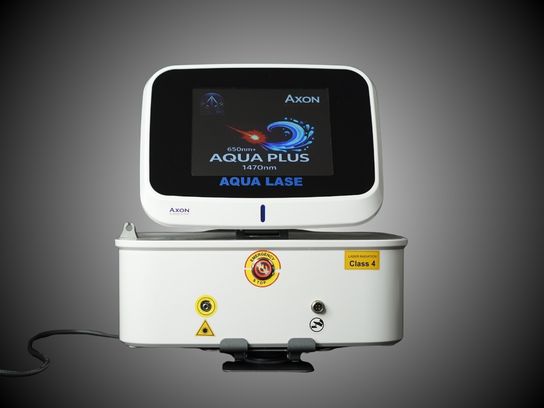
IMDSL offers advanced diode laser systems designed specifically for surgical proctology applications. These systems deliver consistent, controlled, and optimized energy output that enables surgeons to perform delicate soft-tissue procedures with confidence. IMDSL proctology lasers are engineered for clinical precision, reliability, and ease of use, integrating features that support ergonomic handling, customizable power settings, and safe energy delivery.
What distinguishes IMDSL is not just the technology but the holistic clinical support, including device training, service reliability, and post-installation guidance that helps surgical teams adopt laser solutions seamlessly into their practice. IMDSL lasers are suitable for hospital operating rooms, specialized proctology centers, and ambulatory surgical environments.
Patient Experience and Recovery
From the patient’s perspective, laser surgical proctology offers a significantly improved operative experience compared to traditional surgery. Many procedures can be performed under local or regional anesthesia, allowing for outpatient management and minimal sedation. Because laser surgery is minimally invasive, postoperative discomfort is reduced, wound healing is accelerated, and overall recovery is smoother. This leads to higher patient satisfaction, earlier return to daily activities, and reduced overall treatment burden, which are vital outcomes in patient-centered care.
Conclusion: The Future of Colorectal Surgical Care
Laser technology represents a transformative advancement in surgical proctology. By combining precision, minimal invasiveness, and superior tissue interaction control, laser-assisted procedures have redefined how anorectal disorders are treated. Laser surgery empowers surgeons with improved procedural accuracy, reduced complication rates, and enhanced patient outcomes. IMDSL remains at the forefront of this evolution, offering cutting-edge laser solutions that support the future of colorectal surgical care — where safety, efficacy, and patient comfort converge.