The Role of Laser Technology in Rehabilitation
The field of physiotherapy continues to evolve with the integration of advanced medical technologies. Laser therapy plays a crucial role in this evolution by providing clinicians with a highly precise and efficient method for managing musculoskeletal disorders, sports injuries, chronic pain, and post-surgical rehabilitation. As orthopedic conditions and lifestyle-related injuries increase globally, physiotherapy lasers offer a modern therapeutic approach that reduces dependency on medications while improving patient comfort and treatment outcomes. Laser therapy is now considered a cornerstone modality for accelerating healing and restoring mobility.
What Makes Class 4 Physiotherapy Lasers Unique
Class 4 physiotherapy lasers represent a high-power category of therapeutic lasers capable of delivering deeper tissue penetration compared to low-level laser systems. These lasers are specifically engineered to reach muscles, tendons, ligaments, and joint structures where chronic pain and inflammation often originate. IMDSL Class 4 laser systems provide stronger photothermal and photobiomodulation effects, enabling more effective treatment for both superficial and deep musculoskeletal conditions. This higher power capability makes them highly suitable for advanced rehabilitation protocols and faster clinical results.
How Physiotherapy Laser Therapy Works
Physiotherapy lasers function by delivering concentrated light energy into the affected tissues. When laser photons penetrate the skin, they interact with cellular components, particularly the mitochondria, which are responsible for energy production. This interaction increases the production of ATP (adenosine triphosphate), the essential energy source for cellular repair and regeneration. Along with boosting metabolism, laser therapy enhances microcirculation, improves oxygen supply, reduces inflammatory mediators, and stimulates tissue healing. These biological effects collectively accelerate recovery while reducing pain and swelling in injured or inflamed areas.
Clinical Applications of Physiotherapy Lasers
IMDSL physiotherapy lasers are widely used across a broad range of therapeutic and rehabilitation applications. They are highly effective in treating chronic joint pain, arthritis, tendonitis, ligament injuries, muscle strains, sports-related trauma, and spinal discomfort. Laser therapy is also beneficial in post-operative rehabilitation, where faster tissue healing and reduced inflammation are essential for restoring mobility. Because of its versatility and deep therapeutic impact, laser physiotherapy is increasingly adopted for both acute injury management and long-term chronic pain treatment.
Benefits of Laser Therapy in Physiotherapy Practice
Laser therapy provides multiple clinical advantages that make it a preferred modality in modern physiotherapy. One of the most significant benefits is its ability to deliver rapid pain relief without invasive procedures or injections. Laser therapy also reduces inflammation and swelling, improves joint mobility, and accelerates soft tissue repair. Patients often experience faster recovery timelines and improved functional outcomes with minimal discomfort. Additionally, laser therapy is safe for repeated use, making it ideal for chronic conditions where long-term rehabilitation support is required.
Wavelength Optimization and Deep Tissue Healing
The effectiveness of physiotherapy laser systems depends greatly on wavelength selection, as different wavelengths penetrate tissues at varying depths. IMDSL physiotherapy lasers operate at advanced wavelengths such as 980 nm and 1064 nm, which are highly suitable for musculoskeletal rehabilitation. These wavelengths allow optimal absorption in deeper tissues, ensuring efficient stimulation of healing processes in muscles, tendons, ligaments, and joints. Proper wavelength optimization enhances therapeutic precision, improves safety, and maximizes clinical results across a wide range of physiotherapy indications.
IMDSL Physiotherapy Laser Solutions
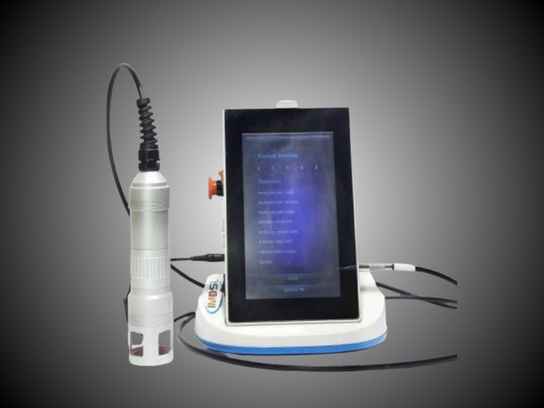
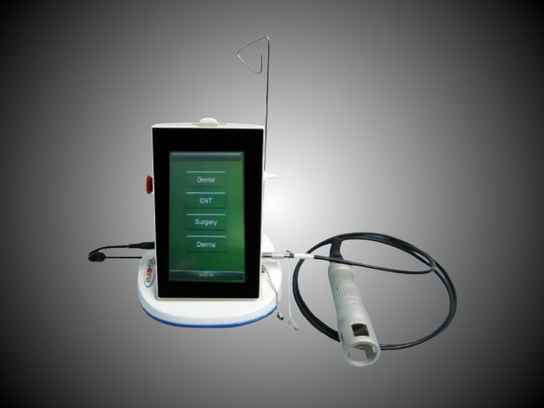
IMDSL offers advanced Class 4 physiotherapy laser systems such as Tejas-T (10W/1064nm) and Divine Lase-T (10W/980nm), developed to meet the growing demands of rehabilitation professionals. These systems are engineered with powerful output, user-friendly operation, and preset therapeutic protocols that simplify treatment delivery. IMDSL lasers support consistent clinical performance, making them an ideal solution for physiotherapists seeking reliable technology for pain management, injury recovery, and functional rehabilitation. With continuous service support and innovation-driven design, IMDSL has established itself as a trusted provider of physiotherapy laser solutions.
Conclusion: The Future of Physiotherapy is Laser-Driven
Physiotherapy lasers represent a major advancement in rehabilitation science, combining modern photonic technology with evidence-based therapeutic outcomes. By stimulating cellular repair, improving circulation, reducing inflammation, and accelerating tissue regeneration, laser therapy has become an essential modality in physiotherapy and pain management. IMDSL continues to lead this transformation by offering high-performance laser systems that empower clinicians and improve patient recovery experiences. As healthcare moves toward non-invasive, efficient, and patient-centered care, laser therapy is set to remain a defining pillar of the future of physiotherapy rehabilitation.